
She Writes 1000 Words a Day: Lessons on Writing, Publishing, and Time Management
In this episode of the Minute Mastery Podcast, I sat down with Shanti Hershenson Singh, a young author who published her first novellas while still in sixth grade. She writes 1000 words a day!
What unfolded was not just a conversation about writing books, but a powerful lesson in consistency, creativity, and managing time with intention — lessons that apply to students, parents, and adults alike.
Writing Starts Before Words Are Perfect
Yes, if you have been here for long, my recommendation is to start before it is perfect! And that is exactly what Shanti did.
Shanti’s writing journey didn’t begin with polished chapters or publishing plans. It began with scribbles, drawings, and stories, long before she ever thought about an audience.
She shared that she never had a single moment where she decided her voice mattered. She simply kept creating. As a child, she wrote constantly, even during class, binding pages together into handmade “books.” Writing was never something she waited to feel ready for. It was something she did.
Lesson: Confidence doesn’t come before action. It grows because of action.
Writing as an Outlet During Change and Uncertainty
We live in very unsettling times and writing can help you cope with the stress of change.
During the pandemic, Shanti found herself in a new city, isolated at home, navigating boredom and disruption, an experience many young people (and adults) can relate to.
Instead of withdrawing, she turned inward, to writing.
What began as a personal outlet slowly became something more. As she fell in love with the story, she realized she wanted to turn it into something real. Something tangible. Something published.
Lesson: Creativity can be a powerful anchor during seasons of uncertainty.
The Hardest Part of Writing Isn’t Writing, It’s Sharing
The hardest part of writing, is sharing it with others. Who can relate?
When I asked Shanti what she would say to young writers who feel shy or unsure about sharing their work, her answer was honest and refreshing.
Sharing is hard, even now.
But you don’t have to share with everyone. You start small:
- One trusted person
- A few lines
- An idea instead of a full chapter
Confidence grows through gradual exposure, not pressure.
Lesson: You don’t need courage to start. You build courage by starting small. So, if you are in your season of writing your new book, go share your journey with someone.
The Habit That Changed Everything:She Writes 1000 Words a Day!
One of the most powerful moments in our conversation came when Shanti shared her writing habit.
She writes 1,000 words every single day, a habit she has maintained since seventh grade.
She has written through:
- Illness
- Injury
- No Wi-Fi
- Busy school schedules
This habit is how she completes drafts in months instead of years and manages multiple projects at once, drafting one book while editing another.
That said, she also emphasized something important:
The number matters less than the consistency.
Whether it’s 200 words or 1,000, choosing a daily commitment trains your brain to show up.
Lesson: Consistency beats motivation every time. Choose your daily writing word count as soon as possible and build on whatever you choose over time.
Publishing Isn’t Just Uploading a Book, It’s Marketing
Like many first-time authors, Shanti once believed publishing meant uploading a book and waiting for sales. The reality? Marketing, especially pre-launch marketing is where most of the work happens. Long before a book is released, authors must talk about it, share it, and invite readers into the journey.
This realization changed how she approached publishing and helped her understand that authors must often be their own biggest advocates.
Lesson: Publishing is not passive. Visibility matters. And you have to be your own fan telling others what you do!
Perfectionism, Imposter Syndrome, and Knowing When You’re “Done”
Young writers experience imposter syndrome too.
Shanti shared a powerful insight: there comes a point where edits stop improving the story and simply change it. Recognizing that moment is key. If you’re only tweaking for the sake of tweaking then, the book may already be ready.
Feedback, she emphasized, is not failure. It’s how writers grow.
Lesson: Perfection is not the goal. Progress is.
Balancing School, Writing, and Life
This was one of the most important parts of our conversation.
Shanti doesn’t pretend balance is easy, but she is intentional. On busy days, she often prioritizes schoolwork first because she knows she will write no matter what. She understands her own patterns and uses that self-awareness to decide what comes first.
And no, she doesn’t lower her writing goal. But she also acknowledges that everyone’s system will look different.
Lesson: Time management starts with knowing yourself. You can then fit everything in their place.
“I Don’t Have Time for My Passion”
When I asked what she would say to students who feel they don’t have time for their passion, her response was simple and profound:
There is often an illusion that we have no time. Even a few minutes:
- Scribbling before bed
- Writing in the car
- Jotting ideas while waiting
Those moments add up, and later, when more time becomes available, those small seeds can grow.
Lesson: You don’t need more time. You need intentional moments.
Final Takeaway for Young Writers (and Parents)
This conversation is a reminder that:
- Creativity has no age limit
- Big dreams grow in small pockets of time
- Consistency will take you further than perfection
Whether you’re a young writer, a parent supporting one, or an adult rediscovering a long-held dream, your story matters. And you can make time for what matters most. You can watch on Youtube below:
Join The Bedtime to Bookshelf Waitlist: https://www.ngoziedema.com/my_waitlist.html
Ready to start taking action? Join the Delay to Daily Action Course: https://shop.beacons.ai/ngoziedema/fe45c385-79dd-41d0-a0da-eece23275680
Mama's Daycare: https://amzn.to/3fVilJy
Where to Find Shanti
- Books available on Amazon, Barnes & Noble, Target, Waterstones, and independent bookstores
- Instagram: @ShantiHershenson
- TikTok: @ShantiWhoWrites
If You Enjoyed This Episode
- Share it with a student, parent, teacher, or young writer
- Subscribe to the Minute Mastery Podcast so you never miss an episode
- Leave a review to help more listeners discover the show
Like this post? Share it!
Fresh-squeezed how-to tips on book writing and busy mom life delivered to your inbox weekly.
My mama taught me never to brag. But permit me just this once to brag. Our emails kind of rock. This is where all the magic happens. Sign up for regular pep talks, inspiration, and all kinds of substance-packed goodness. Let's connect before you say goodbye.
Ready For Deeper Change?
The Delay-to-Daily Action (D2DA) course helps you break procastination and build consistency.
Subscribe To My Newsletter
My Latest Books
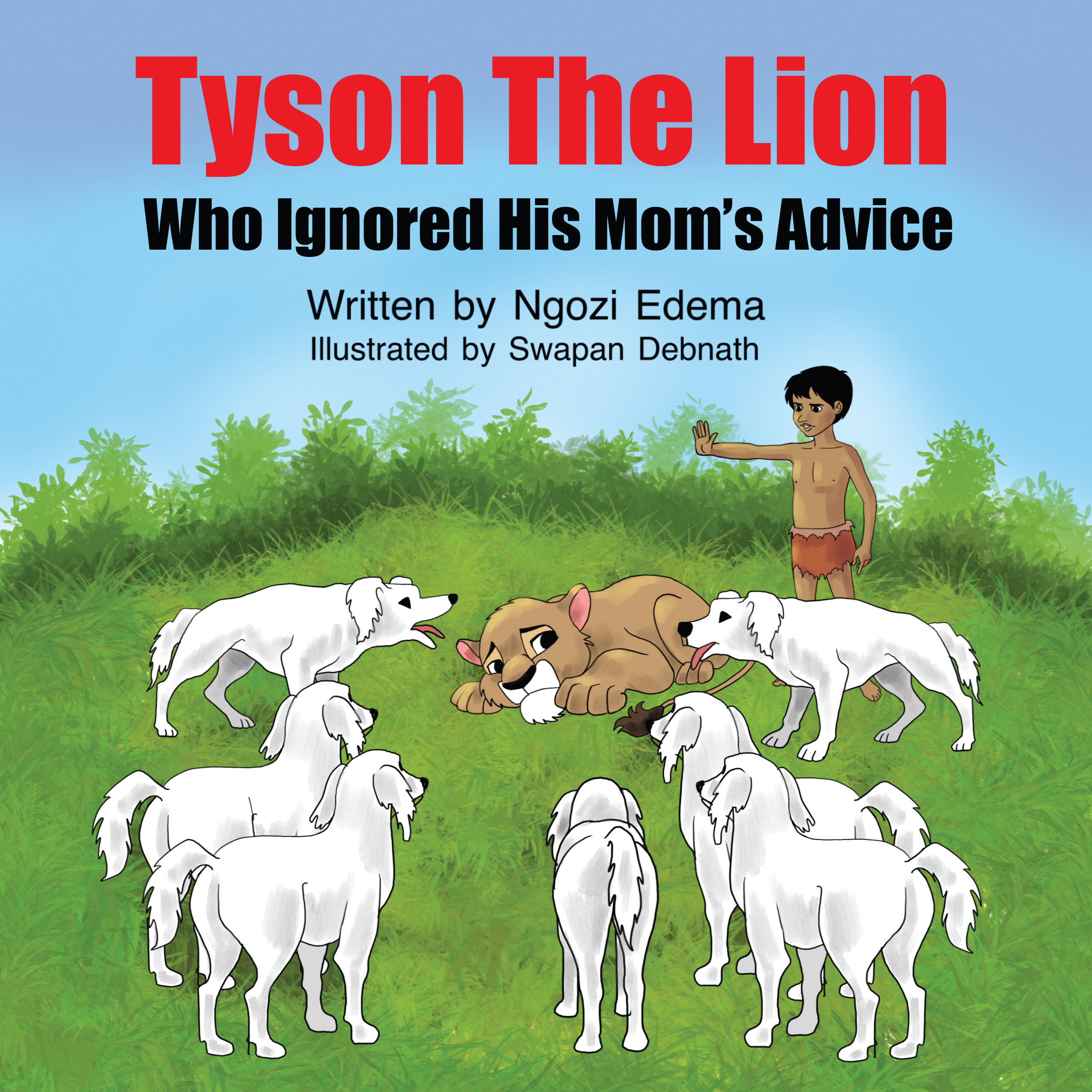
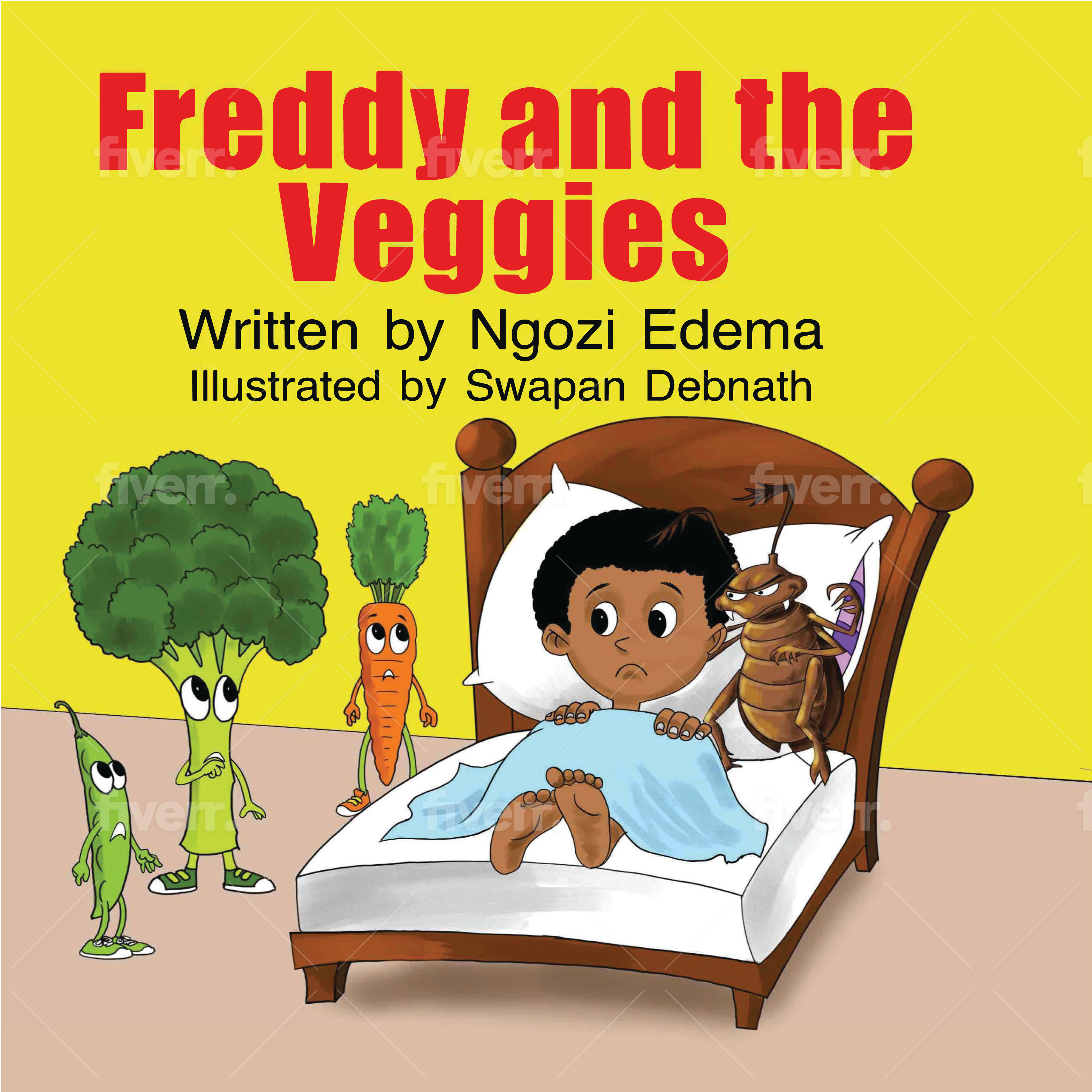
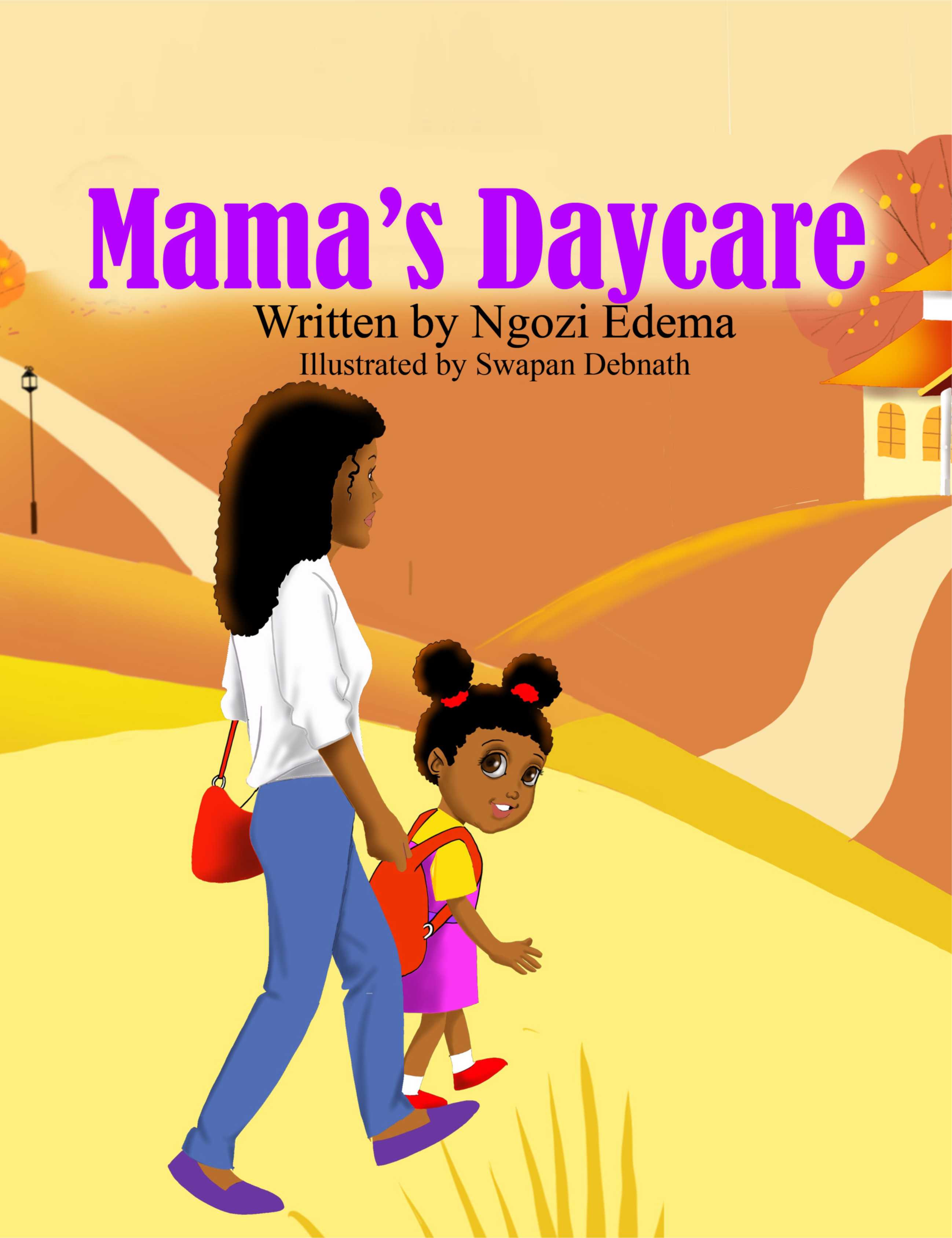
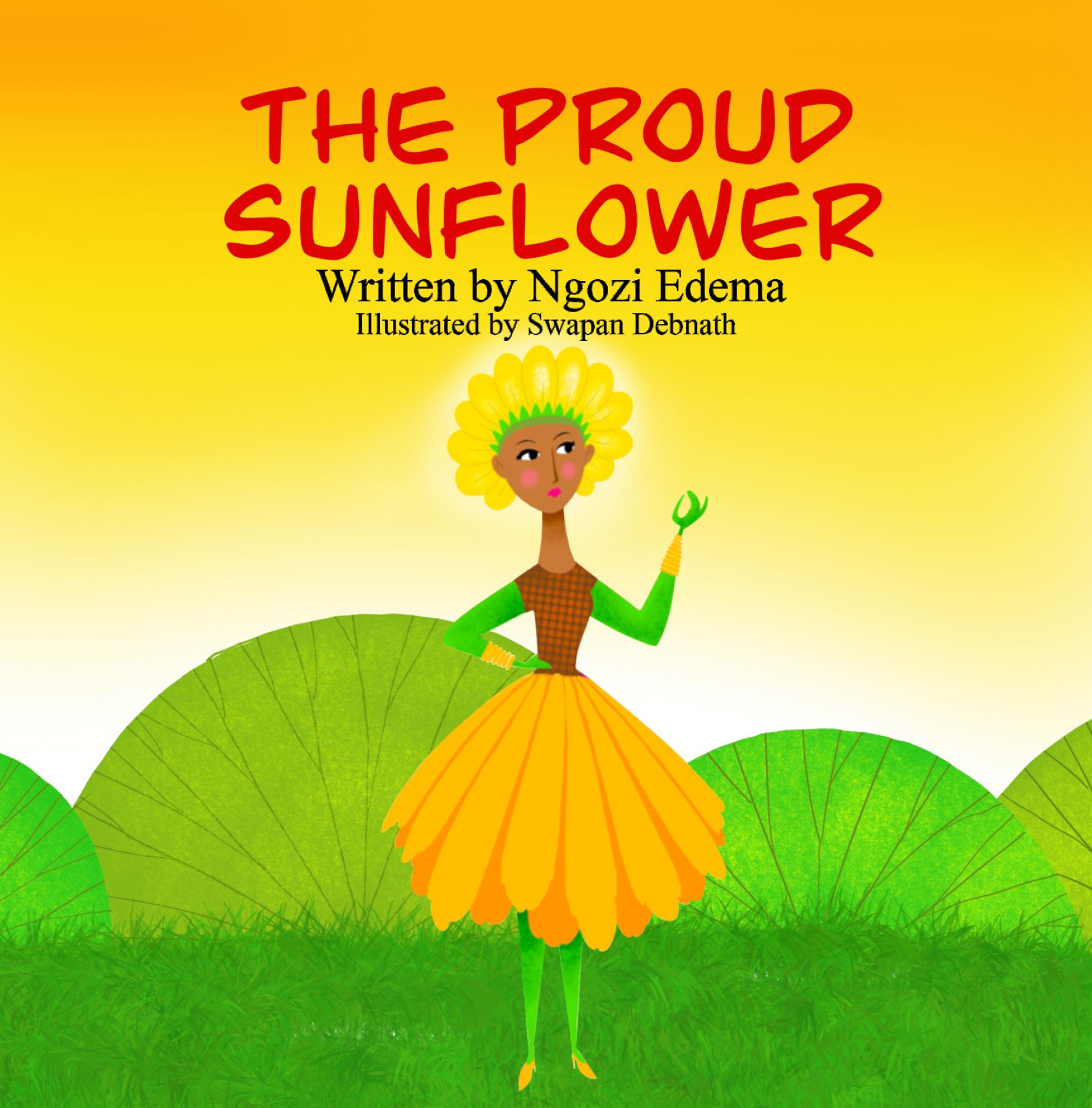

Recent Articles


-
I Am Inviting You to Join The Midlife Book Launch Lab
Aug 29, 26 08:54 PM
The midlife book launch lab is a new community of midlife women writers committed to writing a children's book in 90 days. Using systems that works with life. -
Illustrator? You're Closer to Writing a Children’s Book Than You Think
May 27, 26 11:31 AM
 Are you an illustrator? You're closer to writing a children’s book than you think! You just need to create the system that will allow you to.
 -
How a Time Audit Can Help Busy Women Take Back Control of Their Time
May 26, 26 08:25 PM
 A simple time audit can help busy women wondering where all their time went!