 Tony Iezzi guest of the Minute Mastery Podcast episode 066
When Everyday Stress Feels Like Trauma: What Your Body Is Trying to Tell You
What happens when everyday stress feels like trauma? What is your body telling you about productivity! And remember, only healthy people can lay claim to productivity.
Many high-performing women don’t think of themselves as “traumatized.”
They think of themselves as busy, responsible, capable, and of course, tired.
They juggle work, caregiving, business, writing, leadership, and family life. They push through stress because life has to go on. And for a while, that works.
Until it doesn’t.
In a recent episode of the Minute Mastery Podcast, I sat down with Tony Iezzi to explore a powerful and often misunderstood idea: when everyday stress starts to feel like trauma, your body is trying to communicate something important.
And if you ignore it long enough, productivity is often the first thing to suffer, followed by your health.
Everyday Stress vs. Trauma: What’s the Difference?
Trauma doesn’t always come from one catastrophic event. According to Tony, it can also develop quietly, unnoticed, through chronic stress without recovery.
When you constantly override your body’s signals and move from one demand to the next without rest, stress accumulates. Over time, this can lead to:
- Chronic anxiety
- Depression
- Burnout
- Substance reliance
- Serious medical conditions
The mistake many people make is believing that time is simply a tool for achievement. If they can just squeeze more into the day, they’ll be okay.
But the body doesn’t work that way. It needs time to recover after a long stretch!
The Missing Link Most Productivity Advice Ignores: Recovery
And here is something productivity gurus may not tell you:
Everyone understands stress. Fewer people understand recovery.Tony explains it simply:,
Every stressor requires recovery.
Physically, we know this. If you exercise, you push, then you rest. If you don’t recover, performance drops and injury increases.
Psychologically, the same rule applies. Yet many people stack meetings back-to-back, work ten-hour days, and postpone rest until the end of the day, or worse, until the weekend.
That’s not recovery. That’s depletion. And running on adrenaline only works temporarily.
Why “Pushing Through” Is So Dangerous for Long-Term Productivity
Adrenaline is powerful. It can make you feel focused, energized, and unstoppable, for a while.
But it comes at a cost. When recovery is missing, the nervous system stays stuck in survival mode. Over time, this affects:
- Focus and concentration
- Creativity and problem-solving
- Emotional regulation
- Motivation and decision-making
Many women blame themselves for this decline. They may ask themselves:
- Why can’t I focus anymore?
- Why am I so exhausted?
- Why does everything feel harder?
The truth is: it’s not a motivation problem, it’s a nervous system problem.
Simple Somatic Resets You Can Use During the Day
Recovery doesn’t require a spa day or a weekend retreat. Tony shares several simple, practical somatic resets that can be used immediately:
1. Walk Away, Yes, Literally: After an intense meeting or work block, leave the environment. Step outside. Walk. Change scenery. Movement helps the nervous system discharge stress.
2. Journal to Release: Writing gets thoughts out of your head and onto paper. It builds awareness, reveals patterns, and reduces internal pressure. It doesn’t have to be polished, it just has to be honest.
3. Pause and Breathe: Sitting quietly for 10–15 minutes allows the nervous system to reset.
4. Talk It Out: A short conversation with someone you trust can be deeply regulating. Verbalizing stress often brings immediate relief.
The key? Do these things during the day, not just at the end. Waiting until 9 p.m. to “take care of yourself” rarely works, because by then, there’s nothing left.
Why Recovery Is Not Laziness (and Never Was)
Many women feel guilty resting. They associate productivity with constant motion.
Tony reframes this completely:
Recovery is not weakness. It’s a strategy for longevity.
What’s the point of being highly productive for ten years, only to burn out or become unwell afterward?
If you want to work, create, and contribute well into later life, recovery must be part of how you operate now.
Some cultures understand this deeply. Afternoon rest periods and siestas aren’t indulgent, they’re practical. Ask Italians!
The Role of Process (Not Just Goals)
One of the most powerful insights from this conversation is the importance of process over outcomes. Goals come and go. Once you reach one, another replaces it. But your process: how you live, cope, recover, and adapt, determines whether the journey is sustainable.
Your process might include:
- Movement or exercise
- Nourishing food
- Creative expression
- Social connection
- Quiet reflection
There’s no one-size-fits-all formula. The process must fit your life, and it must be flexible as seasons change.
One Compassionate Step You Can Take Today
If you’re reading this and thinking, “This is me, every day feels heavy,” Tony offers a simple but powerful starting point: Take care of yourself first.
Like the oxygen mask on an airplane, self-care isn’t selfish, it’s essential. When you care for yourself, you’re better able to care for everyone else.
Working nonstop, skipping rest, ignoring your body, those aren’t badges of honor. They’re warning signs.
Final Thought: Productivity Starts With the Nervous System
Productivity doesn’t begin with a planner. It begins with listening.
When you understand what your body is trying to tell you, you gain the power to work with clarity, intention, and compassion not exhaustion.
And sometimes, the most productive thing you can do… is pause.
Before you go, thank you for tuning in to this episode. Please check out the tools and resources below to help you take action right now:
- Boost your focus and productivity with my favorite task manager, Todoist. Use my special link to start a two months free trial today https://get.todoist.io/l4vxuvmks6qh-perks
- I am lauching a new membership for women who want to launch a children's book in 90-days. Please join my waitlist. More details in the coming weeks.
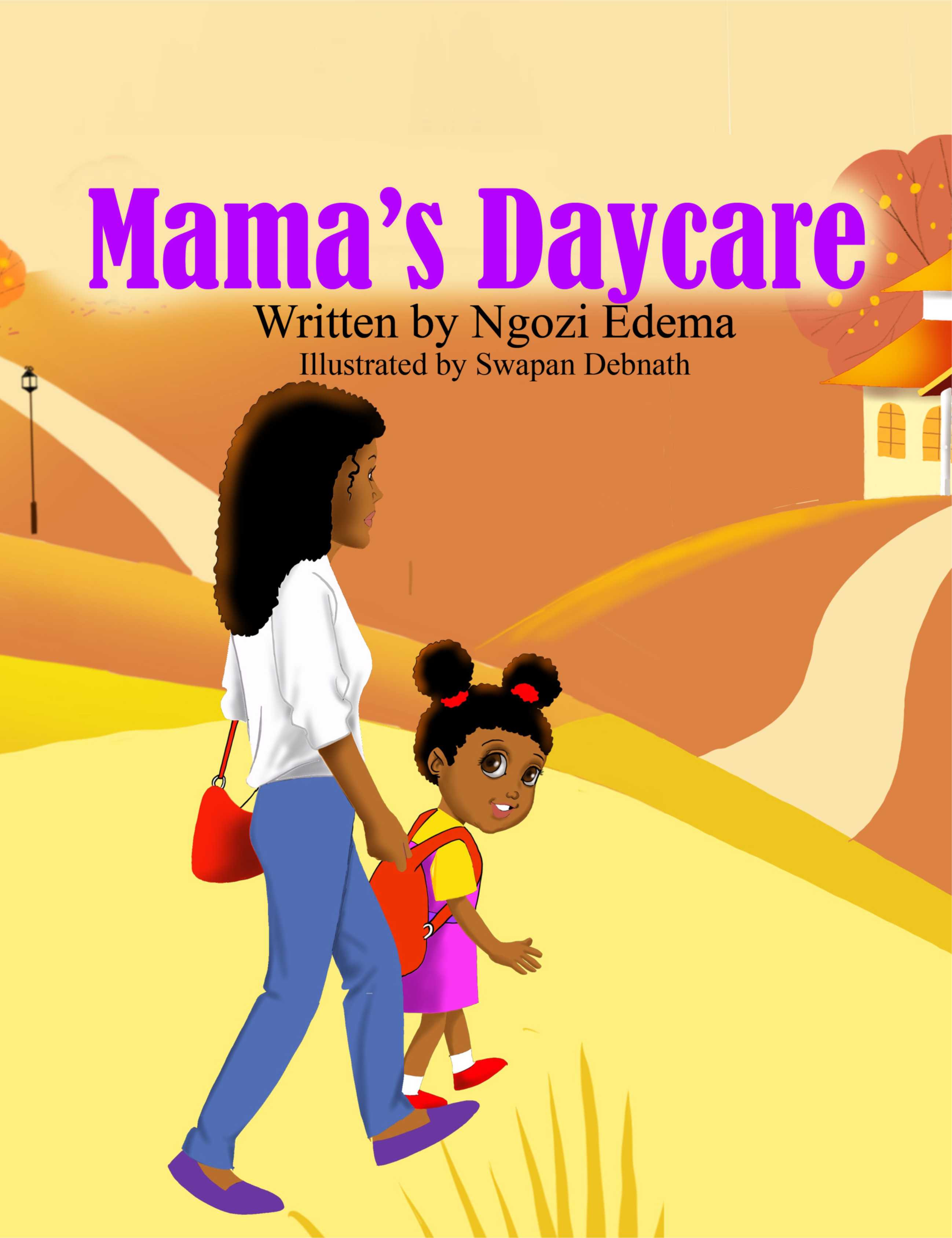
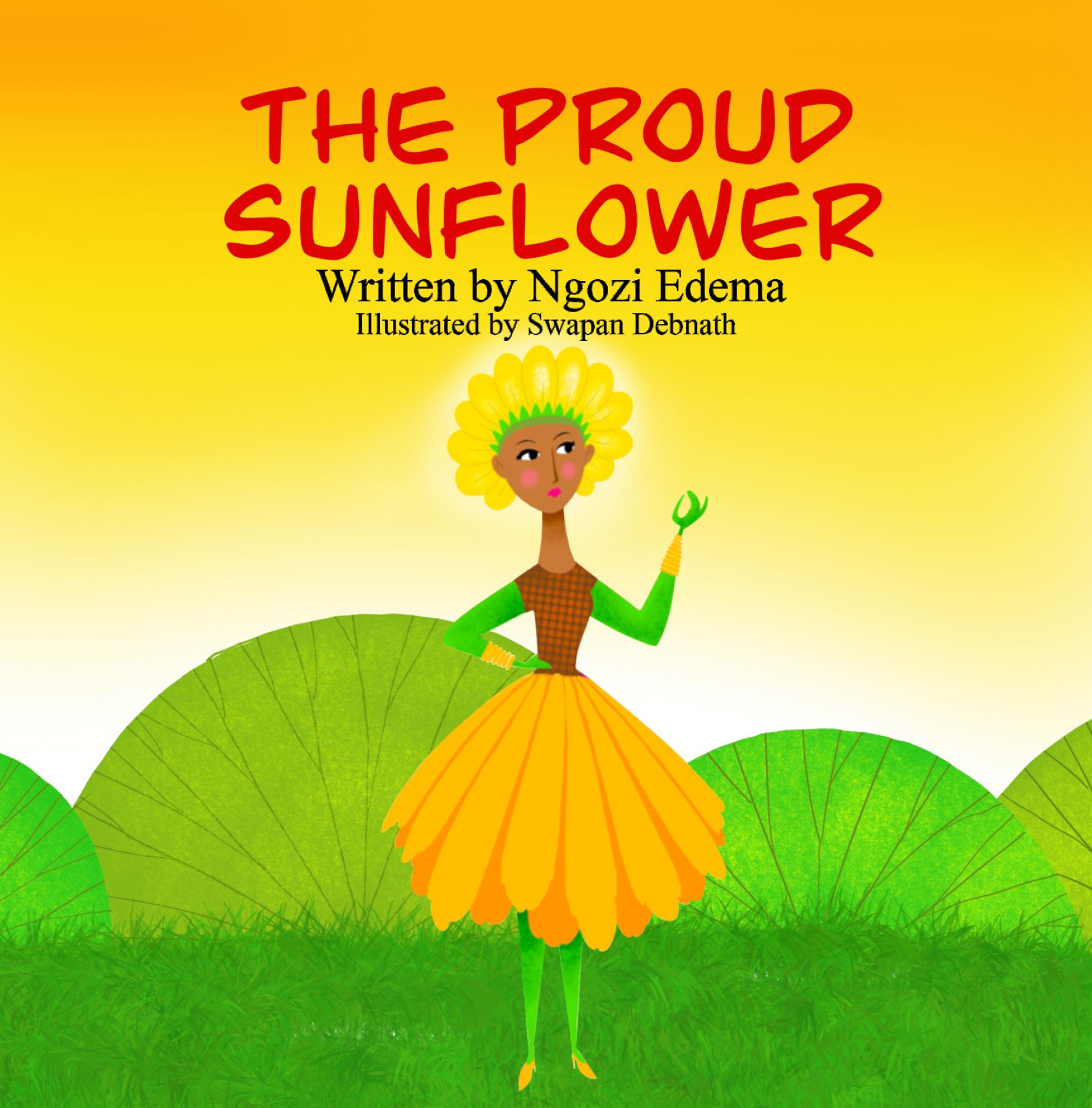
- Enjoy my children’s books—fun, inspiring stories that spark creativity and a love of reading for kids. Get copies of my books: https://www.amazon.com/shop/africanfoodsdotcom/list/121PPT4JMU0Y5?ref_=aipsflist
- Connect with my guest, Dr. Tony Iezzi and grab his resources through his website: https://tonyiezzi.com/
Like this post? Share it!
Fresh-squeezed how-to tips on book writing and busy mom life delivered to your inbox weekly.
My mama taught me never to brag. But permit me just this once to brag. Our emails kind of rock. This is where all the magic happens. Sign up for regular pep talks, inspiration, and all kinds of substance-packed goodness. Let's connect before you say goodbye.
Ready For Deeper Change?
The Delay-to-Daily Action (D2DA) course helps you break procastination and build consistency.
Subscribe To My Newsletter
My Latest Books



Recent Articles


-
I Am Inviting You to Join The Midlife Book Launch Lab
Aug 29, 26 08:54 PM
The midlife book launch lab is a new community of midlife women writers committed to writing a children's book in 90 days. Using systems that works with life. -
Illustrator? You're Closer to Writing a Children’s Book Than You Think
May 27, 26 11:31 AM
 Are you an illustrator? You're closer to writing a children’s book than you think! You just need to create the system that will allow you to.
 -
How a Time Audit Can Help Busy Women Take Back Control of Their Time
May 26, 26 08:25 PM
 A simple time audit can help busy women wondering where all their time went!