Why New Year Resolutions Fail, And How Systems Keep You Focused All Year
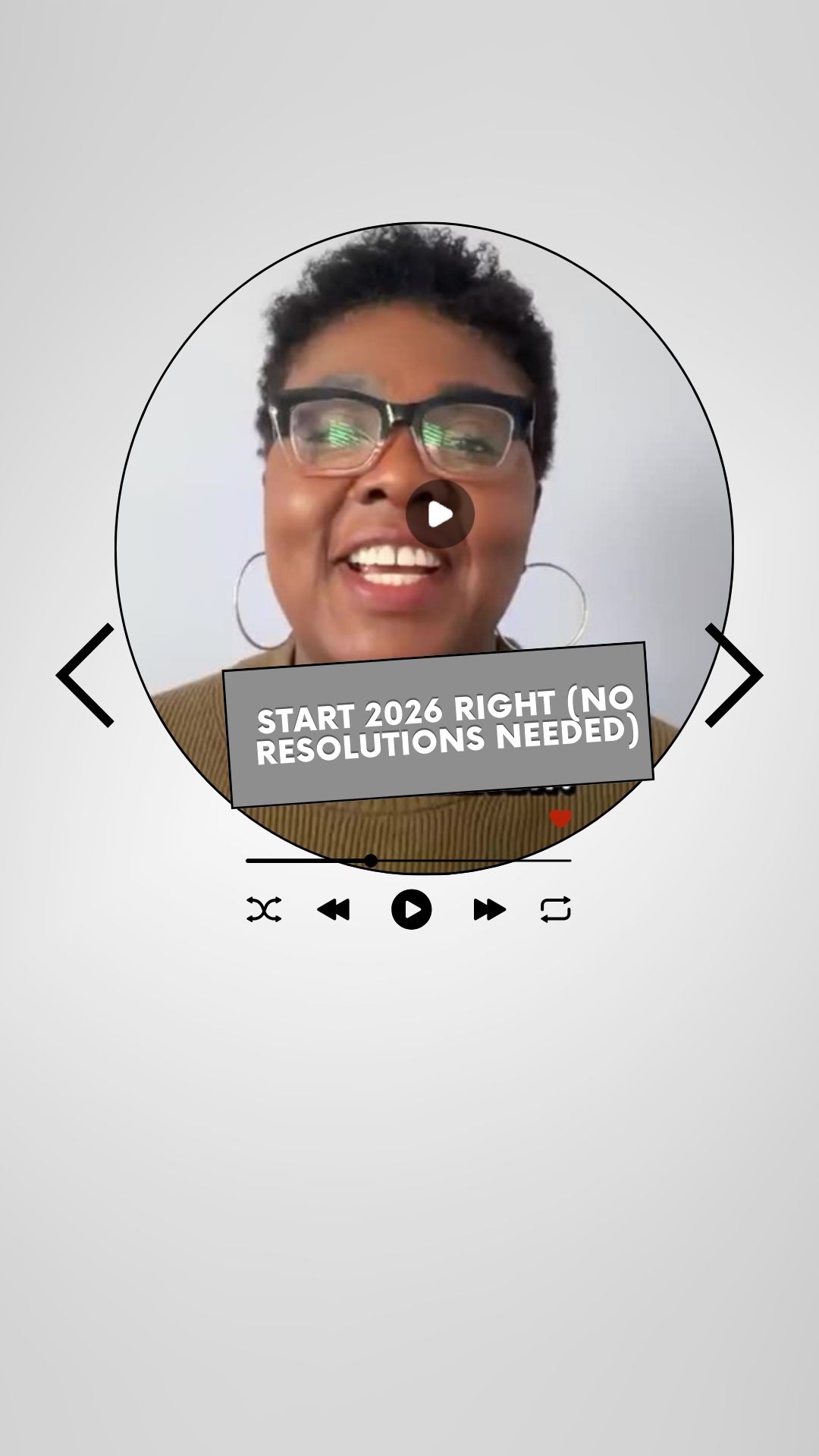
Let's break down why new year resolutions fail? Every January, millions of people enter the new year with the same burst of energy, the same optimism, and the same hope that this will finally be the year they stay consistent. Gym memberships spike. Planners sell out. Social media fills with declarations like “New Year, New Me!” and “I’m finally going to stick to my goals.”
But by the time February rolls in, something familiar happens:
Most resolutions quietly disappear.
If this sounds like your story, you are not alone. Research shows that over 80% of New Year resolutions fail, not because people lack discipline, but because resolutions rely on a fragile foundation: motivation. And motivation, as wonderful as it feels, fades quickly.
Let’s break down why resolutions fail every year and more importantly, how the right system can keep you consistent, focused, and unstoppable all year long.
Why New Year Resolutions Fail (and it’s not your fault)
There’s a common misconception that people fail simply because they lack willpower. But truthfully, willpower was never designed to carry the entire weight of your goals. It’s like using a matchstick to light a fireplace, helpful for a moment, but not strong enough to sustain anything long-term.
Here are the real reasons New Year resolutions fall apart:
1. Resolutions depend completely on motivation. Motivation is emotional. It’s exciting in January, but by mid-February, life returns to its normal rhythm. Children need attention, work gets busy, routines shift, and that spark of New Year energy fades. When a goal depends on feeling motivated, it becomes fragile.
2. Resolutions are usually vague or overly ambitious:
“Get organized.”
“Get healthy.”
“Write my book.”
These are beautiful intentions, but without structure, they remain wishes. The bigger the dream, the more overwhelming it feels, and overwhelm almost always leads to procrastination.
3. Resolutions lack the systems needed to sustain them.
A goal without a system is simply a hope. And hope alone cannot guide your daily decisions, allocate your time, or protect your energy. Resolutions often fail not because they’re wrong, but because there is no system holding them up.
4. The brain always returns to what’s familiar
Even when we want change, our brain sometimes choose comfort. Without a new routine in place, old habits pull us back effortlessly. This is why people start strong but quickly slide back into last year’s patterns.
So if you’ve struggled with resolutions in the past, give yourself some grace. It’s not a character flaw, it’s a system flaw.
Why Systems Work (and why they keep you consistent all year)
If resolutions fade, what does work?
A system.
A system is a repeatable structure that supports your goals whether you feel motivated or not. Systems don’t rely on emotion. They rely on intentional design.
Here’s what a powerful system does:
1. A system gives you clarity.
Instead of guessing what to do today, a system tells you.
No confusion.
No mental clutter.
Just direction. Clarity is one of the most underrated productivity tools.
2. A system turns big goals into small daily actions.
Writing a book in 2026 might feel overwhelming.
But writing for 20–30 minutes a day? That’s achievable!
Success is built in minutes, not marathons.
3. A system reduces overwhelm
When your tasks have a home in your calendar, planner, or workflow, your mind can relax. Overwhelm isn’t about having too much to do; it’s about not knowing what to do first.
4. A system protects your energy and time
Busy moms, authors, and entrepreneurs don’t need more hustle.
They need more structure.
Structure creates freedom.
And freedom helps you stay consistent even on the hardest days.
5. A system builds trust with yourself
Every time you complete a small daily action, your brain gets a dopamine boost that says, “Look at us. We can do this.” That emotional win fuels long-term consistency.
The truth is simple:
People don’t stay consistent because of resolutions.
People stay consistent because of systems.
How to Build Your 2026 System (starting today)
Before writing another list of resolutions, take a step back and ask:
“What system will support the version of me I want to become in 2026?”
Start with something simple:
- One daily priority
- One time block
- One routine you can repeat
- One habit that moves your life forward
Consistency isn’t about perfection, it’s about small actions repeated with intention.
If you need help building a system that works, start with the right tools, the right structure, and the right support.
Your 7-Day Sprint: A Simple System to Kickstart Your Year
If you’re ready to stop overthinking and start taking action, download my free 7-Day Sprint Workbook. This mini system will help you:
- Build clarity
- Create momentum
- Stay focused
- Rebuild trust with yourself
It’s simple. It’s powerful. And it works.
Download it here:
This is the year you stop promising change and start designing the system that makes it real.
Because resolutions fade, but systems last all year.
- Boost your focus and productivity with my favorite task manager, Todoist. Use my special link to start a two months free trial today https://get.todoist.io/l4vxuvmks6qh-perks
- Join the Delay to Daily Action Course: A 12 week transformation help you overcome procrastination, perfectionism, and self-doubt. https://shop.beacons.ai/ngoziedema/fe45c385-79dd-41d0-a0da-eece23275680
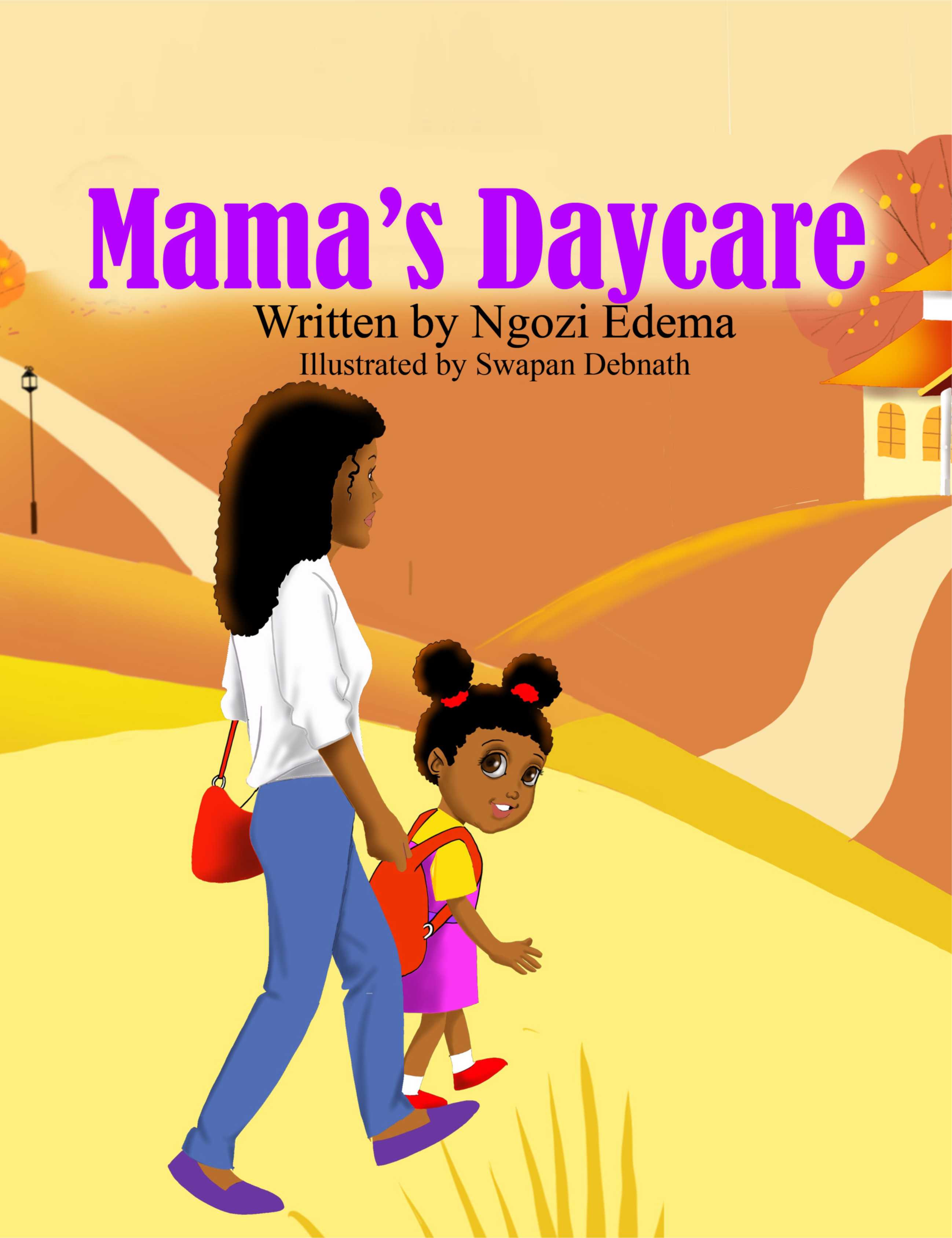
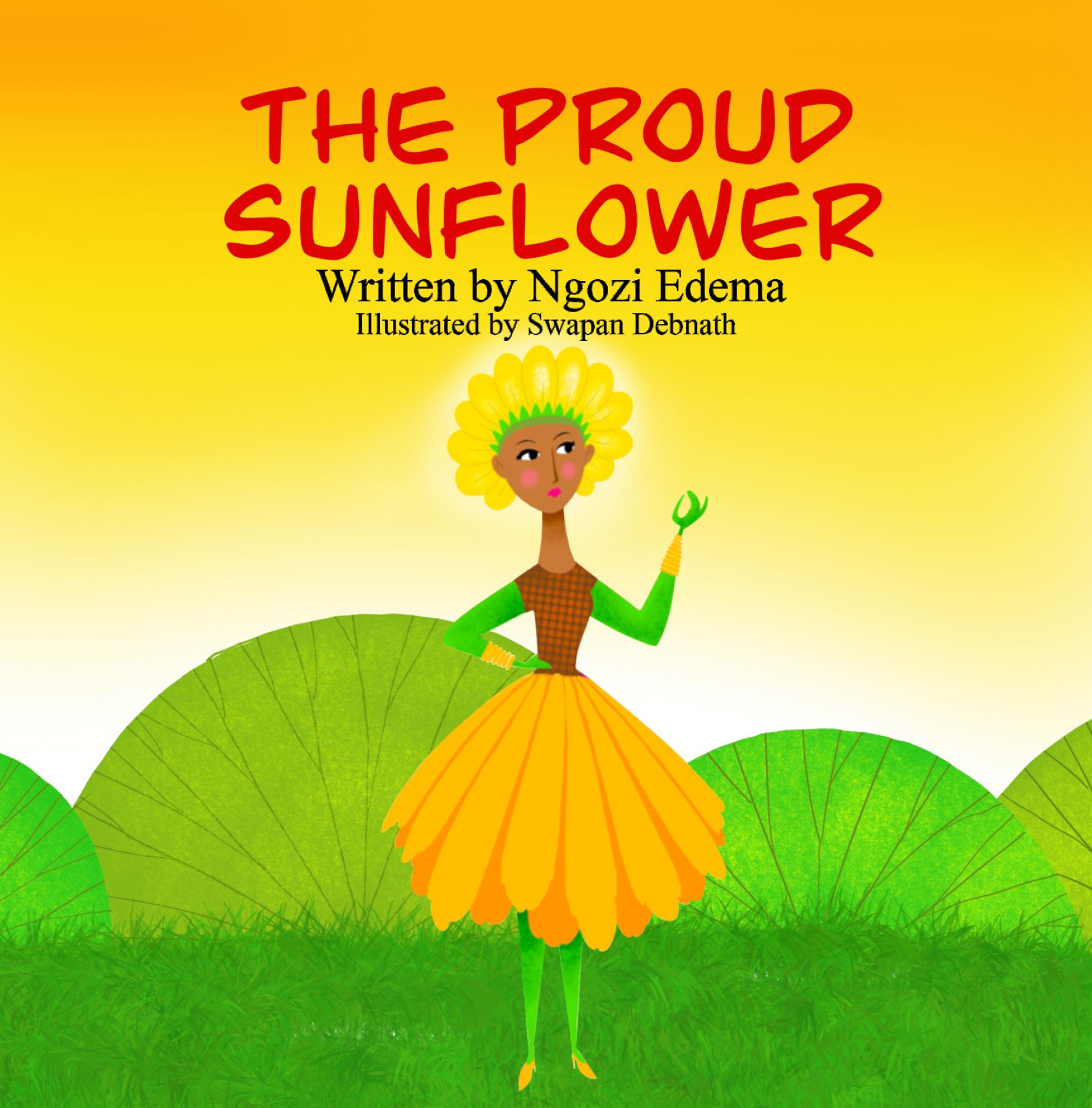
Use Code ACTION15 to get 15% off. - Enjoy my children’s books—fun, inspiring stories that spark creativity and a love of reading for kids. Get copies of my books: https://www.amazon.com/shop/africanfoodsdotcom/list/121PPT4JMU0Y5?ref_=aipsflist
- Connect with Ngozi: @ngoziedema on Instagram and YouTube.
Like this post? Share it!
Fresh-squeezed how-to tips on book writing and busy mom life delivered to your inbox weekly.
My mama taught me never to brag. But permit me just this once to brag. Our emails kind of rock. This is where all the magic happens. Sign up for regular pep talks, inspiration, and all kinds of substance-packed goodness. Let's connect before you say goodbye.
Ready For Deeper Change?
The Delay-to-Daily Action (D2DA) course helps you break procastination and build consistency.
Subscribe To My Newsletter
My Latest Books



Recent Articles


-
I Am Inviting You to Join The Midlife Book Launch Lab
Aug 29, 26 08:54 PM
The midlife book launch lab is a new community of midlife women writers committed to writing a children's book in 90 days. Using systems that works with life. -
Illustrator? You're Closer to Writing a Children’s Book Than You Think
May 27, 26 11:31 AM
 Are you an illustrator? You're closer to writing a children’s book than you think! You just need to create the system that will allow you to.
 -
How a Time Audit Can Help Busy Women Take Back Control of Their Time
May 26, 26 08:25 PM
 A simple time audit can help busy women wondering where all their time went!